
Applications
Ships & Harbours
Based in Marseille, a major Mediterranean port city, Subsea Tech has extensive experience with the operational challenges faced by maritime industry stakeholders regarding the inspection and maintenance of vessels and port infrastructure.
Whether used for passenger or cargo transport, commercial vessels require regular inspection of their submerged structures, such as hulls, propulsion systems, and ballast tanks. These inspections are often necessary to prepare maintenance operations or comply with regulatory requirements.
Traditionally, these operations require dry docking or diver intervention. Such methods can result in high costs, extended vessel downtime, and significant operational constraints.
Subsea Tech robotic solutions enable these inspections to be performed directly underwater using ROVs (Remotely Operated Vehicles) and surface drones (USV – Unmanned Surface Vehicles). These systems help optimize inspection and maintenance operations while reducing costs, delays, and operational risks.
Typical Applications
Subsea Tech solutions are used in the maritime and port sectors for missions such as:
-
ship hull inspection (UWILD – Underwater Inspection In Lieu of Dry Dock)
-
inspection of propellers and appendages
-
ballast tank and confined space inspection
-
inspection of port infrastructure
-
supervision of ship or wreck salvage operations
Hull and Propulsion Inspection
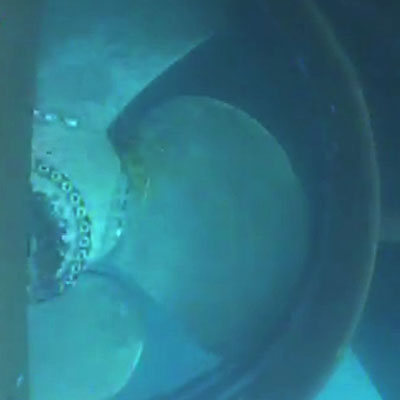
Subsea Tech ROVs enable visual inspection, acoustic imaging, and measurement operations directly underwater on ship hulls and propulsion systems.
These inspections, known as UWILD (Underwater Inspection In Lieu of Dry Dock), allow operators to assess the condition of submerged structures without immobilizing the vessel in dry dock.
An experienced operator can inspect an entire vessel within a few hours, significantly reducing inspection costs and improving maintenance planning.
Typical missions
-
visual inspection of hulls and propellers using an ROV
-
detection of structural defects or corrosion areas
-
defect sizing using laser scaling systems
-
structural thickness measurement using ultrasonic probes
-
cathodic protection inspection of anodes
Benefits
-
reduced inspection time and operational costs
-
improved maintenance planning
-
reduced dry dock downtime
-
improved safety compared with diver inspections
Ballast Tank Inspection
Ballast tank inspection is a complex and potentially hazardous operation when performed by human teams. It often requires draining the tanks and deploying specialized inspection crews.
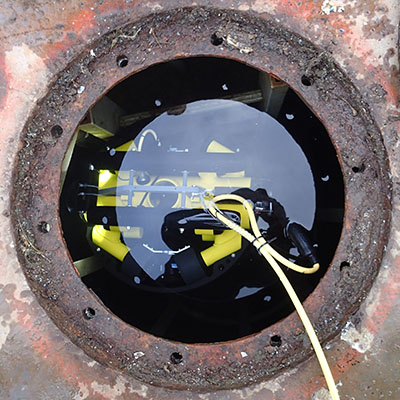
Subsea Tech mini-ROVs allow operators to perform ballast inspections directly underwater without requiring full tank drainage.
Thanks to their compact dimensions, these robots can access confined spaces through technical openings such as manholes.
Typical missions
-
visual inspection of ballast tank internal structures
-
detection of corrosion or structural defects
-
structural thickness measurements
-
cathodic protection inspection
Benefits
-
mapping of inspection areas and measurement points
-
reduced human risks compared with confined-space inspections
-
reduced inspection and maintenance costs
-
reduced environmental risks linked to ballast drainage
Ship and Wreck Salvage Supervision
During ship or wreck salvage operations, a thorough understanding of the site configuration and vessel condition is essential to ensure safe planning and execution.
Subsea Tech combines acoustic imaging and visual inspection technologies deployed from ROVs, surface drones, or divers to provide operators with the data required to prepare and monitor salvage operations.
Typical missions
-
wreck localization using side-scan or imaging sonar
-
site mapping using multibeam bathymetry
-
visual inspection of wrecks to identify lifting points
-
real-time video monitoring of salvage operations
Benefits
-
improved understanding of site configuration
-
optimized planning of salvage operations
-
reduced risks and costs related to preliminary surveys
-
real-time video supervision of operations
Recommended Products
Observer Micro-ROV
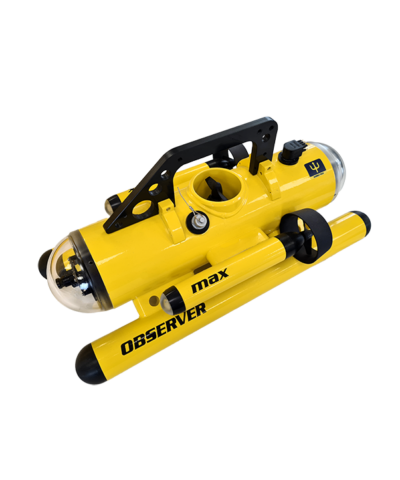
Ultra-portable ROV designed for rapid visual inspections of ship hulls, propulsion systems, and port infrastructure.
Mini TORTUGA
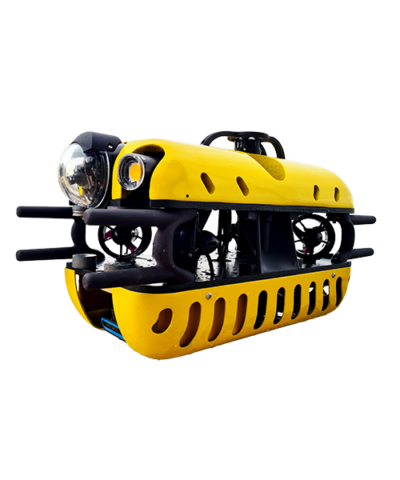
Versatile ROV capable of integrating sonar systems, lasers, and NDT sensors for ship and maritime infrastructure inspections.

Mini TORTUGA XP4
Advanced inspection ROV designed for complex missions requiring stability, power, and integration of specialized sensors.
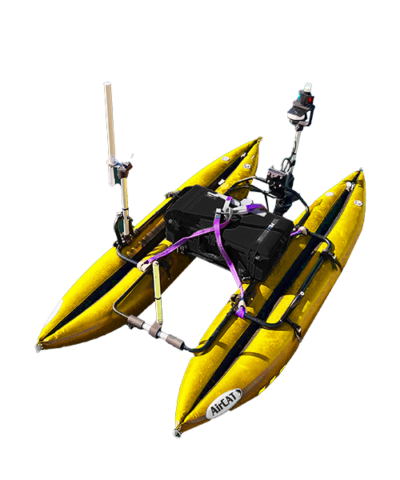
AirCAT USV
Compact surface drone designed for sonar surveys, port surveillance missions, and sensor deployment.
Embedded Technologies
Subsea Tech solutions can integrate various sensors to adapt systems to maritime and port inspection missions.
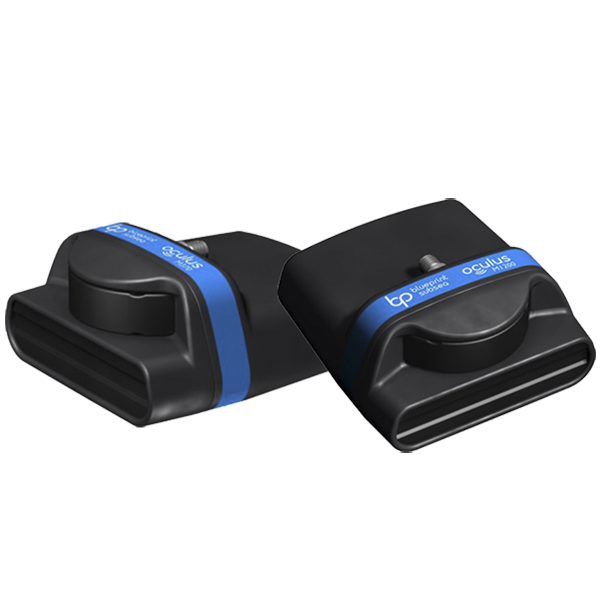
Imaging sonar
Acoustic cameras provide real-time images of underwater structures even in turbid water or zero-visibility conditions.
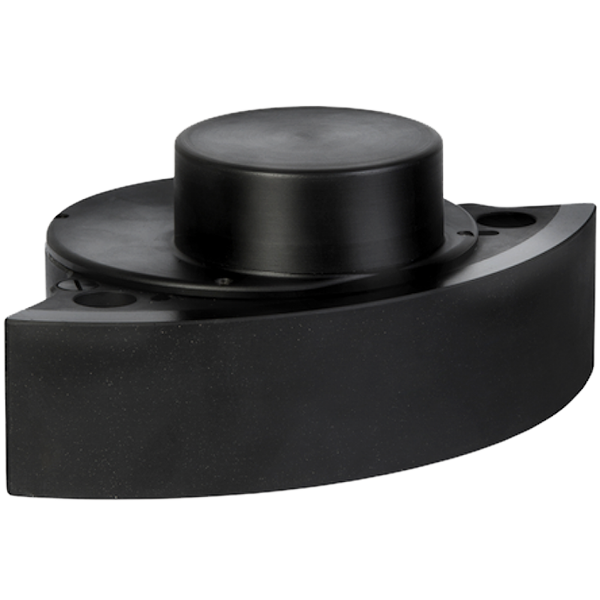
Side-scan and multibeam sonar
These sensors allow the detection of objects or wrecks and the mapping of seabed structures.
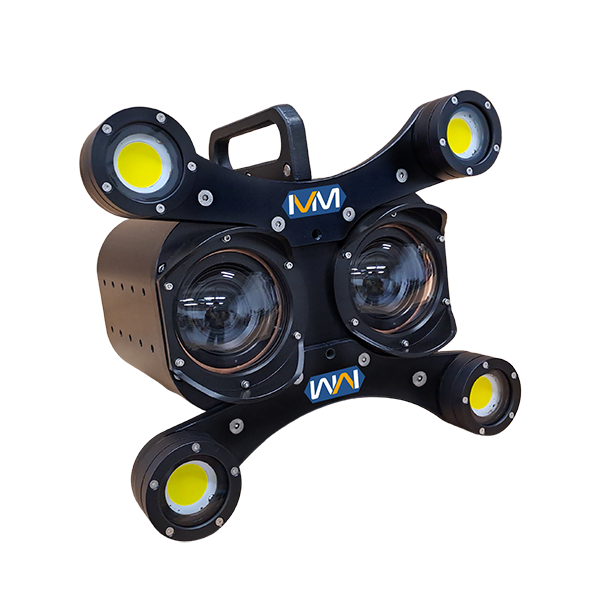
3D photogrammetry
3D reconstruction systems enable the modeling of inspected structures to monitor their evolution over time.
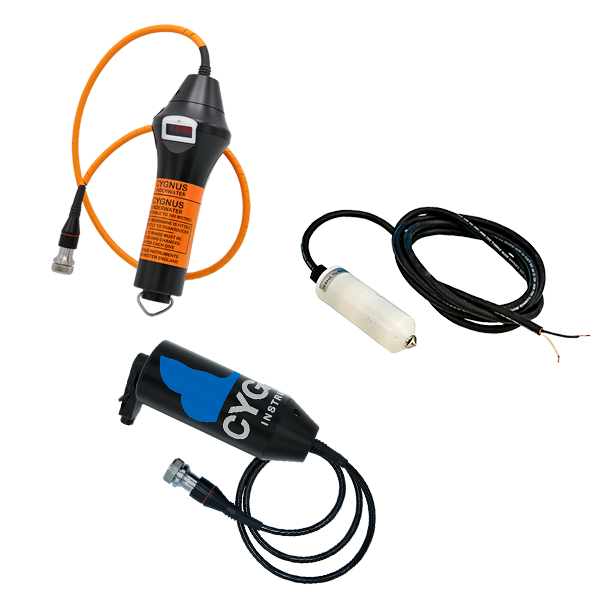
Non-destructive testing tools
ROVs can integrate sensors to measure structural thickness, analyze cathodic protection, or detect structural defects.
To discover all available sensors and equipment, please visit our pages:
